Anger
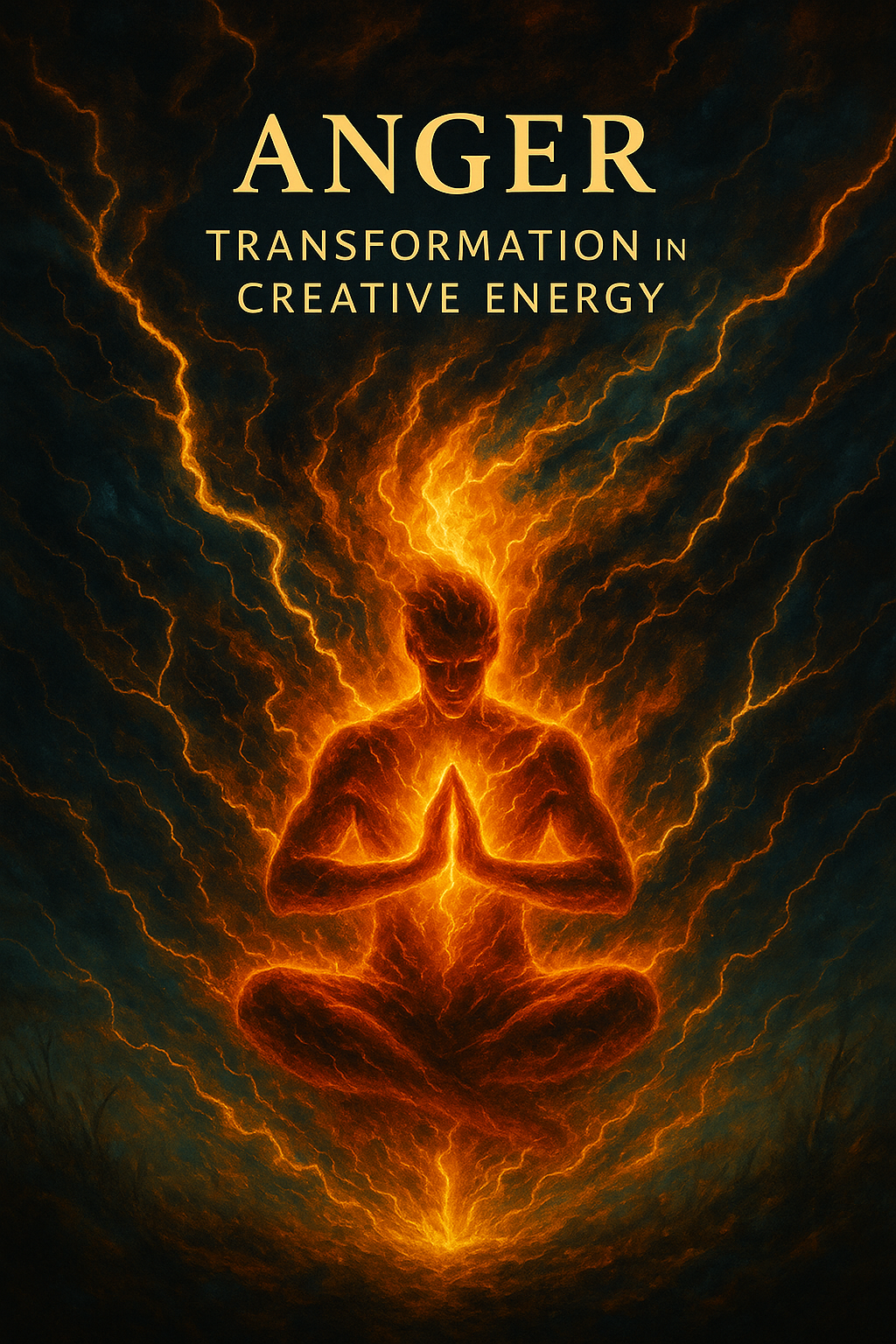
Anger is a powerful energy that's important not to suppress but to channel into a constructive direction. Within the DREVO concept, anger can be perceived as a resource if worked with consciously. Here are some ways to work with anger within the DREVO framework:
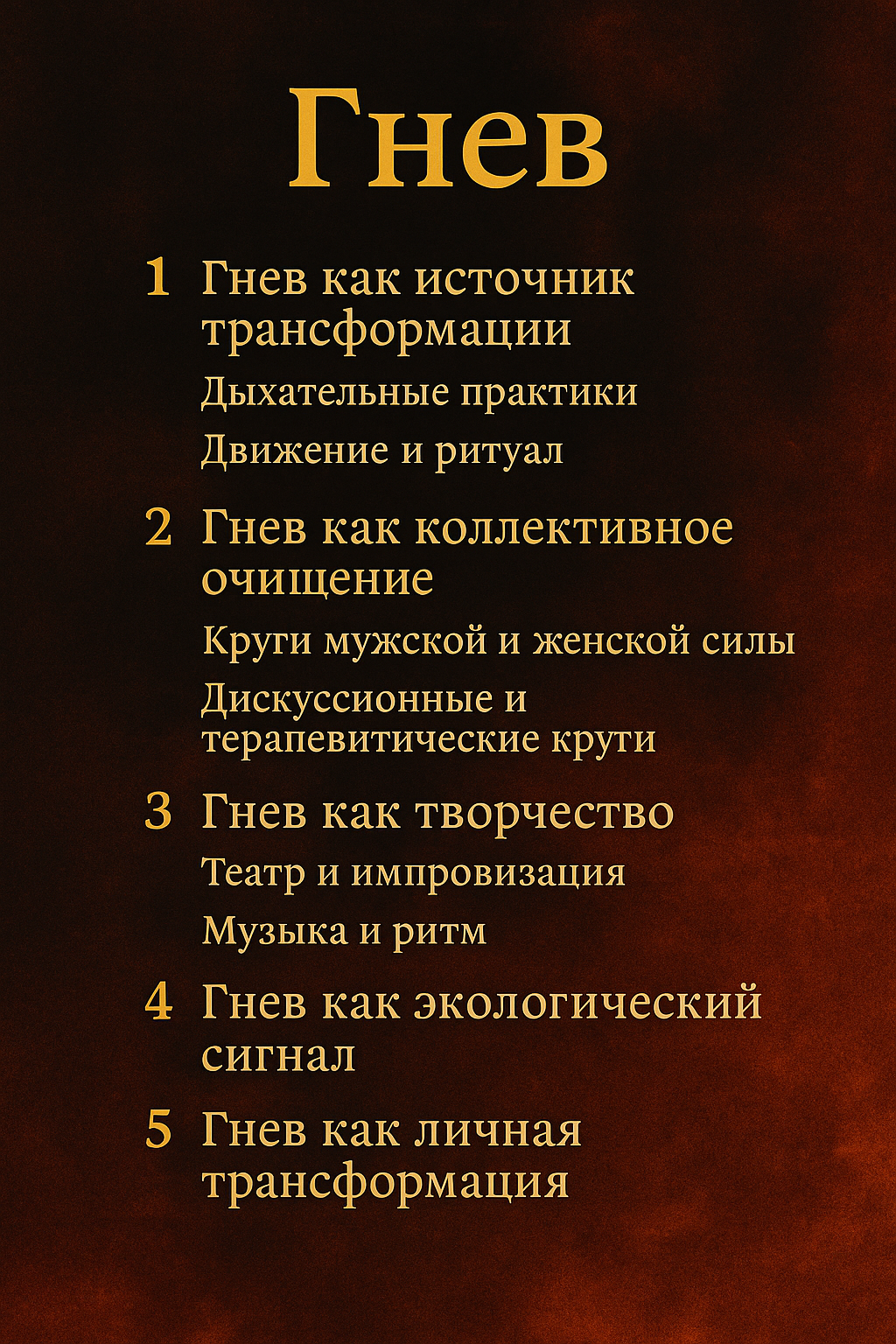
1. Anger as a source of transformation
Breathing practices: using deep breathing techniques (such as "fire breathing") to transform anger into action energy.
Movement and ritual: through active movements, such as elements of gymnastics, contact improvisation or theatrical practices, accumulated tension can be expressed.
2. Anger as a collective cleansing
Circles of male and female power: creating a safe space where participants can share their emotions, explore their causes, and find support within the group.
Discussion and therapeutic circles: transforming conflict into a tool for growth and awareness.
3. Anger as creativity
Theatre and improvisation: dealing with anger through creative expression, such as improvisational scenes or poetry.
Music and rhythm: using instruments or voice to express and harmonize internal storms.
4. Anger as an environmental signal
Recognize that anger can be a reaction to imbalance or injustice. In this context, it's important to channel it into actions related to improving the environment, helping farmers, or implementing sustainable technologies.
5. Anger as a personal transformation
Incorporating anger into the meditation process: recognizing it as a natural part of yourself that can indicate dissatisfaction or blocked desires.
Energy work: transforming anger into warmth, light and power through internal practices such as visualizations or mantras.
Anger in DREVO can become a tool to unlock the depths of energy and channel it into service to the common good and personal growth.
Article gallery